
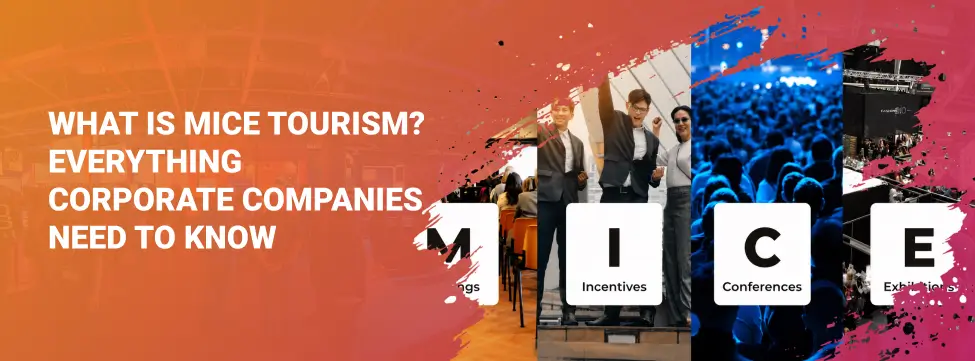
What is MICE Tourism? Everything Corporate Companies Need to Know
Corporate companies today are under constant pressure to organize impactful meetings, employee engagement programs, client conferences, product launches, and annual business gatherings while keeping costs, logistics, and attendee experiences under control.
This is one of the biggest reasons businesses worldwide are investing in structured event travel solutions rather than handling everything internally.
According to the World Travel & Tourism Council (WTTC), global business travel spending is expected to exceed USD 2 trillion by 2028, underscoring the growing importance of corporate travel and events.
This is where MICE tourism comes into the picture. It goes far beyond booking hotel rooms or arranging conference halls. It is a strategic approach that combines travel, event management, networking, and business objectives into one seamless experience.
If your organization regularly hosts corporate events or plans employee incentive trips, understanding how MICE works can help improve business outcomes while reducing operational stress.
What is MICE Tourism?
MICE tourism refers to travel specifically planned for business purposes under four categories:
- M – Meetings
- I – Incentives
- C – Conferences
- E – Exhibitions
Unlike leisure tourism, these trips are organized to achieve measurable business goals such as knowledge sharing, employee motivation, networking, business development, or product promotion.
Every aspect of the journey from transportation and accommodation to venue selection, event execution, entertainment, and post-event reporting is professionally managed to ensure a smooth corporate experience.
Whether it is a leadership summit in Goa, an international conference in Singapore, or an employee reward trip to Dubai, MICE planning ensures every business objective is supported through well-organized travel and event management.
Breaking Down the Four Components of MICE
Meetings
Meetings are structured gatherings organized for internal teams, stakeholders, clients, or business partners. They can range from board meetings and sales reviews to strategy workshops and leadership retreats.
Professional planning focuses on selecting suitable venues, arranging technology, scheduling sessions, and ensuring participants can collaborate effectively without logistical distractions.
Even a one-day business meeting often requires careful coordination of travel, accommodation, meals, presentations, and networking opportunities.
Incentive Travel
Employee motivation has become a major priority for organizations competing to attract and retain top talent. Instead of offering only financial rewards, many companies now recognize high-performing employees with memorable travel experiences.
An incentive trip may include luxury destinations, adventure activities, team-building experiences, cultural excursions, and Gala award ceremonies.
Research shows that well-designed incentive programs significantly improve employee engagement, productivity, and retention by making employees feel genuinely valued for their contributions.
Conferences
Conferences bring together industry experts, professionals, clients, and employees to exchange ideas, discuss innovations, and build business relationships.
These events often involve keynote speakers, panel discussions, training workshops, networking sessions, and product demonstrations.
Large conferences require months of planning because organizers must manage registrations, accommodation, transportation, audiovisual equipment, branding, sponsorships, catering, and attendee experiences simultaneously.
Exhibitions
Exhibitions provide businesses with opportunities to showcase products and services to potential buyers, distributors, and partners. Trade shows and expos allow companies to:
- Launch new products
- Generate qualified leads
- Meet industry professionals
- Strengthen brand visibility
- Understand competitor offerings
Successful exhibitions combine strategic booth design with visitor engagement activities, making professional event planning essential.
Why MICE Tourism Matters for Corporate Companies
Business events are no longer just formal gatherings. They have become valuable opportunities to strengthen relationships, improve collaboration, and support long-term business growth.
A professionally managed event helps organizations create stronger impressions among employees, customers, investors, and partners. Some of the biggest business benefits include:
Better Employee Engagement
Reward trips, leadership retreats, and training programs help employees feel appreciated while improving teamwork and collaboration.
Stronger Client Relationships
Face-to-face interactions continue to build trust much faster than virtual meetings. Corporate events create valuable opportunities for meaningful conversations.
Increased Brand Visibility
Conferences and exhibitions allow businesses to present their expertise, launch products, and position themselves as industry leaders.
Higher Productivity
When logistics are professionally managed, participants can focus entirely on learning, networking, and achieving business objectives instead of dealing with travel challenges.
Key Elements of Successful MICE Planning
Executing a successful corporate event requires much more than booking flights and reserving hotel rooms. Every detail contributes to the overall experience.
Strategic Destination Selection
The destination should align with the purpose of the event. For example:
- Beach destinations work well for incentive trips.
- Metropolitan cities are ideal for conferences.
- International business hubs support exhibitions and networking events.
Accessibility, visa requirements, weather conditions, local infrastructure, and safety should all be considered before finalizing a location.
Venue Planning
The venue influences attendee satisfaction and event efficiency. A suitable venue should offer:
- Flexible meeting spaces
- Modern audiovisual facilities
- Reliable internet connectivity
- Comfortable accommodation
- Easy transportation access
Selecting the right venue enhances professionalism while creating a positive attendee experience.
Travel and Accommodation Management
One of the biggest challenges for corporate events is coordinating travel for multiple participants. Professional planners manage:
- Flight bookings
- Hotel reservation
- Airport transfers
- Local transportation
- Travel documentation
- Emergency support
Centralized travel management reduces confusion while improving attendee convenience.
Event Technology
Modern business events increasingly depend on technology. Some of the most popular event solutions include online registration systems, mobile event applications, digital check-ins, live streaming, and QR-based networking and real-time attendee engagement tools. This technology not only improves efficiency but also provides valuable insights after the event.
Emerging Trends Shaping MICE Tourism
Corporate expectations continue to evolve, and event planning is becoming more experience-driven than ever. Several trends are redefining the industry.
Hybrid Events
Many organizations now combine physical and virtual participation, allowing global audiences to attend conferences remotely while maintaining in-person networking opportunities.
Sustainable Event Planning
Companies are increasingly adopting eco-friendly venues, digital documentation, reusable materials, and waste-reduction initiatives to support sustainability goals.
Personalized Experiences
Instead of standardized itineraries, businesses now customize travel experiences based on attendee interests, seniority, and event objectives.
Data-Driven Decision Making
Event analytics help companies measure attendance, engagement, networking success, feedback, and return on investment, making future planning more effective.
Common Challenges Companies Face
Even experienced organizations encounter difficulties when planning corporate events. Some of the most common challenges include:
- Budget overruns
- Last-minute travel changes
- Vendor coordination
- Registration management
- International travel compliance
- Technical failures
- Low attendee engagement
- Scheduling conflicts
Partnering with experienced event professionals helps businesses reduce these risks while ensuring every aspect of the event is carefully managed.
Conclusion
Corporate events have evolved far beyond traditional meetings. As organizations expand across cities and countries, professionally managed MICE tourism has become an essential part of successful corporate planning rather than an optional service.
The right planning partner can make every detail seamless and impactful. At Dreams Events & Services, we specialize in creating memorable corporate experiences that combine strategic planning, flawless execution, and exceptional hospitality.
Our team ensures your business events achieve their objectives while delivering an outstanding experience for every participant. Contact us today and let us help you transform your next corporate gathering into a successful business experience.
Frequently Asked Questions (FAQs)
MICE stands for Meetings, Incentives, Conferences, and Exhibitions. It refers to business travel and event management designed specifically for corporate organizations.
Leisure tourism focuses on vacations and recreation, while MICE tourism is planned around business objectives such as meetings, networking, employee rewards, training, conferences, and exhibitions.
Organizations across industries including IT, healthcare, manufacturing, banking, pharmaceuticals, education, hospitality, and real estate benefit from professionally managed corporate events and business travel.
Professional planners handle travel, accommodation, venue selection, logistics, vendor coordination, technology, and event execution, allowing businesses to focus on achieving their goals instead of managing operational complexities.
Services typically include destination planning, venue booking, travel arrangements, hotel accommodation, event registration, audiovisual support, catering, branding, entertainment, transportation, and complete on-site event management.