
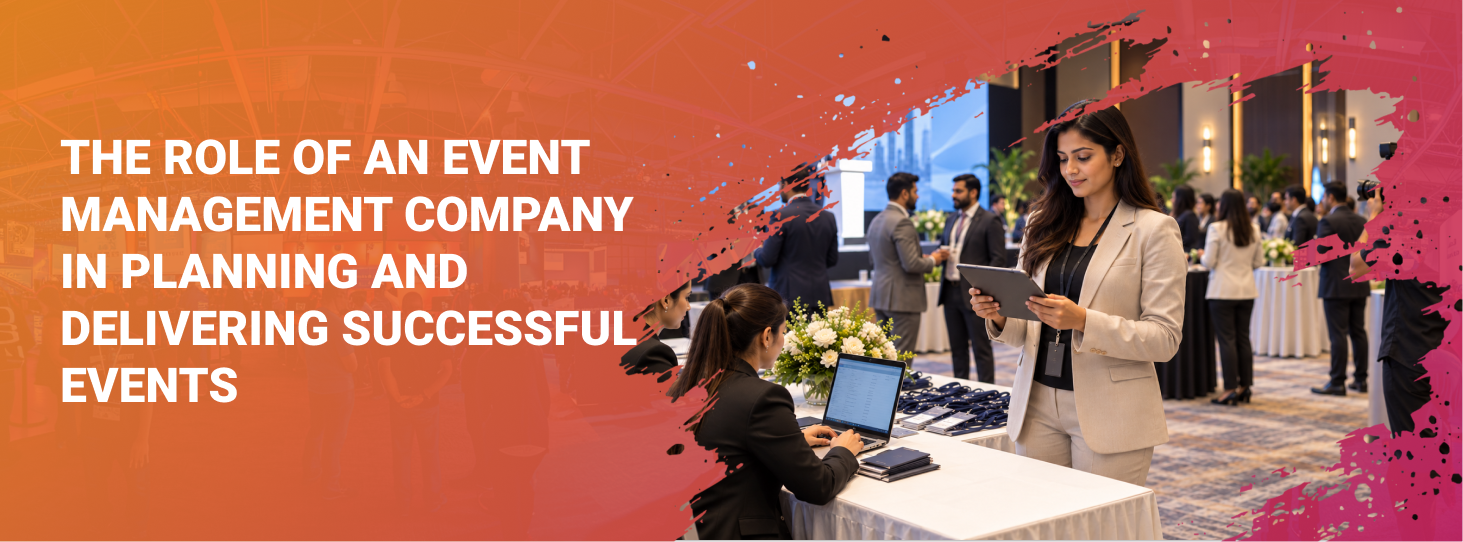
The Role of an Event Management Company in Planning and Delivering Successful Events
What Does an Event Management Company Do?
An event management company helps individuals, businesses, and organizations plan, organize, and deliver different types of events. These may include:
- Corporate conferences and seminars
- Product launches
- Brand activations
- Weddings and private celebrations
- Award ceremonies
- Exhibitions and trade shows
- Concerts and entertainment programs
- Team-building activities
- Fundraising and community events
1. Understanding the Event Vision and Objectives
Every successful event begins with a clear understanding of what the organizer wants to achieve.
Is the goal to celebrate an important milestone? Introduce a new product? Strengthen client relationships? Raise funds? Or simply bring people together for an enjoyable occasion?
An event management team starts by discussing the purpose, audience, expectations, and budget with the client. This helps establish a practical event brief.
Key areas considered during the initial planning stage
- Event purpose and expected outcomes
- Target audience and estimated attendance
- Preferred date and location
- Budget and spending priorities
- Theme, branding, and overall atmosphere
- Entertainment and program requirements
- Guest experience and accessibility needs
- Technical, safety, and logistical considerations
2. Developing a Creative and Practical Event Concept
For example, a technology company launching a new product might choose a modern, interactive theme. The event could include:
- A visually engaging product reveal
- Interactive demonstration stations
- Branded signage and digital displays
- Short presentations from industry experts
- Networking areas for guests
- A carefully planned closing experience
3. Managing the Event Budget Effectively
4. Selecting and Coordinating Reliable Vendors
An event usually involves several external suppliers. These may include caterers, decorators, entertainers, photographers, transport providers, security teams, and technical production specialists.
Coordinating these suppliers can become difficult when everyone works independently. A delay from one vendor may affect several other arrangements.
An event management team helps identify suitable suppliers, compare quotations, confirm availability, and communicate expectations. It also ensures that vendors understand the event schedule and their individual responsibilities.
Imagine a conference where the stage installation is delayed. If the audio-visual team arrives before the stage is ready, its setup may be interrupted. This could affect rehearsals, speaker preparation, and guest arrival arrangements.
A coordinated event team can reduce such problems by preparing a detailed schedule and ensuring that suppliers work according to a shared timeline.
Why vendor coordination matters
- It reduces confusion between suppliers.
- It improves communication.
- It supports better quality control.
- It helps identify delays early.
- It makes responsibilities easier to track.
- It reduces the pressure on the client.
5. Managing Invitations, Registrations and Guest Experience
A professional event team may manage:
- Guest invitations and confirmations
- Registration forms and attendance lists
- Reminder messages
- Entry arrangements and welcome desks
- Seating plans and guest assistance
- Special requirements and accessibility
- Feedback collection after the event
For a business seminar, a smooth registration process can prevent long queues and confusion at the entrance. For a wedding, carefully planned seating and guest assistance can make the experience more comfortable for families and elderly attendees.
What happens when a guest arrives late? Where should VIPs be guided? How will dietary requirements be handled? These questions may seem small, but answering them in advance can prevent unnecessary stress during the event.
Good event planning focuses not only on the main attraction but also on the details that make guests feel welcomed and valued.
6. Creating an Engaging Program and Event Experience
A successful event should keep the audience interested. Even a beautifully decorated venue may fail to make an impact if the program is poorly organized or lacks variety.
Event planners help develop a schedule that balances information, entertainment, interaction, and breaks.
For example, a corporate conference might include:
- An opening address
- Keynote presentations
- Panel discussions
- Interactive workshops
- Networking sessions
- Product demonstrations
- Refreshment breaks
- A closing presentation
Making events more engaging
Event planners may introduce:
- Live polls and audience questions
- Interactive games
- Demonstration zones
- Themed photo opportunities
- Networking activities
- Live entertainment
- Shorter presentation segments
- Personalized guest experiences
7. Handling Event Logistics and Technical Requirements
Important considerations may include:
- Venue access and loading arrangements
- Stage construction and seating layouts
- Sound, lighting and projection systems
- Power supply and backup arrangements
- Guest transportation
- Signage and wayfinding
- Catering schedules
- Equipment delivery and collection
- Staff movement and responsibilities
8. Managing Risks and Unexpected Challenges
No matter how carefully an event is planned, unexpected situations can arise.
A supplier may arrive late. Weather conditions may change. A speaker may cancel. Equipment may stop working. Guest numbers may exceed expectations.
An event management team prepares for these possibilities through contingency planning.
Examples of contingency measures
- Keeping backup suppliers available
- Preparing an alternative indoor or outdoor arrangement
- Maintaining spare technical equipment
- Creating emergency communication procedures
- Allowing additional setup time
- Preparing alternative program activities
- Establishing clear safety and evacuation procedures
Suppose an outdoor corporate celebration is planned during a season when sudden rain is possible. A responsible planner may arrange covered areas, weather monitoring, and an alternative indoor option.
The purpose of contingency planning is not to eliminate every possible problem. Instead, it ensures that the team can respond calmly and effectively when circumstances change.
9. Managing the Event Day from Start to Finish
10. Measuring Event Success After the Program
The evaluation process may include:
- Attendance analysis
- Guest feedback
- Budget comparison
- Vendor performance review
- Social media engagement
- Lead generation and business inquiries
- Sponsor satisfaction
- Program and timing assessment
For a private celebration, success may be measured through guest satisfaction, smooth coordination, and the quality of the overall experience.
Why Professional Event Management Matters
Better time management
Greater attention to detail
Improved coordination
Practical problem-solving
A more consistent experience
Conclusion
A successful event requires more than a beautiful venue or an impressive program. It depends on careful planning, effective communication, reliable suppliers, guest-focused arrangements, and the ability to manage unexpected challenges.
Whether you are organizing a corporate gathering, a private celebration, a product launch, or a large-scale entertainment program, the right planning partner can help bring your vision to life.
Dream Events can help you plan and deliver an event that reflects your goals, engages your guests, and creates lasting memories. From developing the concept to coordinating the details, connect with us to discuss your upcoming occasion and take the first step towards a well-organized, memorable event.
Frequently Asked Questions (FAQs)
An event management company plans, coordinates, and delivers events. Its responsibilities may include budgeting, venue selection, vendor management, guest arrangements, logistics and event-day supervision.
Hiring an event management company can reduce planning stress, save time and improve coordination. Professional planners also help manage budgets, suppliers and unexpected challenges.
Event planners can organize corporate events, weddings, exhibitions, conferences, product launches, award ceremonies, private celebrations, entertainment programmes and other special occasions.
The team prepares a detailed budget, estimates costs, compares supplier quotations and prioritizes spending. It may also maintain a contingency amount for unexpected expenses.
It is best to contact an event planner as early as possible. The ideal timeline depends on the event’s size, venue availability, guest numbers and complexity. Large events generally require more preparation time.